
What to Do After Forestry Mulching: A Step-by-Step Guide for Landowners in Elgin, TX
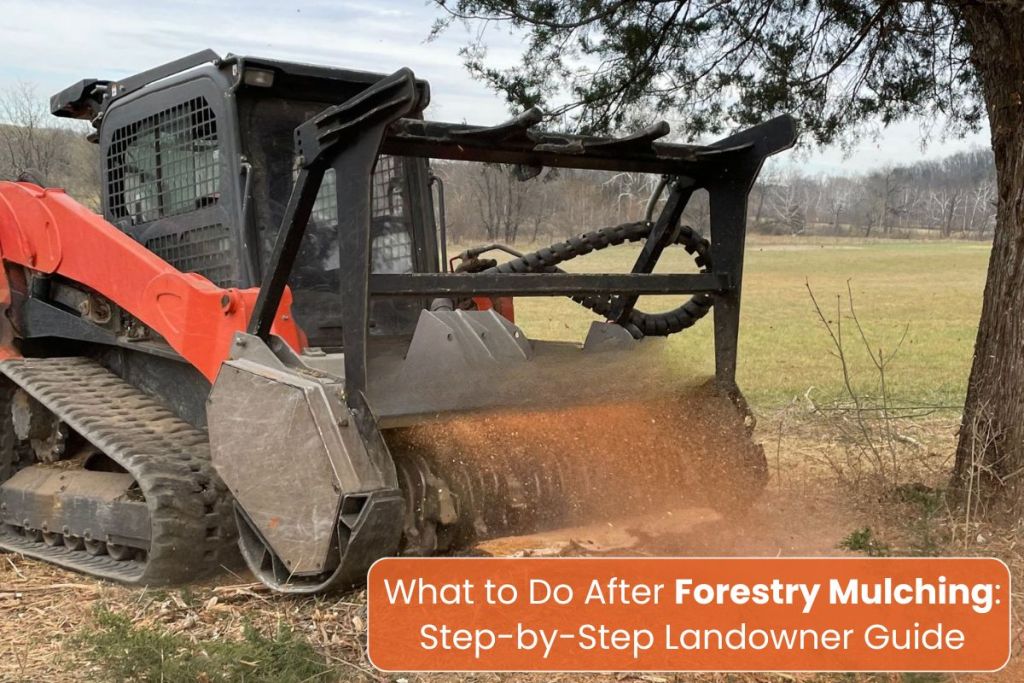
Forestry mulching is one of the most efficient forestry mulching services for clearing overgrown land—but the real transformation happens after the work is done. If you’re wondering what to do after forestry mulching, the next steps you take will determine how usable, productive, and valuable your land becomes.
Whether you’re preparing for farming, construction, or professional land clearing in Elgin, this guide covers everything you need to know—from cleanup and weed control to soil health and long-term land management.
Immediate Steps After Forestry Mulching
Once your land has been cleared using professional forestry mulching services, it’s important to avoid rushing into the next phase.
Let the Mulch Settle
The freshly mulched layer needs time to stabilize. Typically, you should wait 1–2 weeks depending on weather conditions.
This allows the mulch to:
- Begin breaking down into organic matter
- Reduce soil disturbance from machinery
- Create a more stable surface
This is the foundation of effective land management after forestry mulching.
Walk and Inspect Your Property
After the mulch settles, walk the entire area to assess the condition of your land.
Look for:
- Small stumps or remaining roots
- Uneven terrain or soft spots
- Hidden logs beneath mulch
- Debris piles or windrows
This step is especially important for property owners planning land clearing in Elgin for future projects.
Surface Smoothing and Light Cleanup
One of the biggest advantages of forestry mulching services is minimal cleanup. The mulch layer helps protect and enrich the soil.
However, you may still need:
- Light grading for construction or pasture
- Filling dips or leveling uneven areas
- Preparing access paths or driveways
Avoid removing the mulch—it plays a key role in soil health and erosion control.
Vegetation Management After Forestry Mulching
Clearing vegetation is only the first step. Managing regrowth is essential to maintain your land.
What to Do After Forestry Mulching to Control Weeds
Many plants will attempt to grow back after mulching. Early action is key.
Common strategies include:
- Applying herbicides for woody plants
- Controlling broadleaf weeds
- Spot spraying invasive species
Effective weed control is a crucial part of any post land clearing plan.
Seeding and Land Preparation
If your goal is pasture development, landscaping, or land improvement, seeding should follow soon after.
Popular options include:
- Bermuda grass for durability
- Native grasses for low maintenance
- Mixed seed blends for soil stability
Seeding over mulch improves moisture retention and encourages strong growth.
Soil Health and Erosion Control
Healthy soil is critical after any forestry mulching services project.
Soil Testing and Improvement
Before making major decisions, test your soil to determine:
- pH levels
- Nutrient deficiencies
- Fertilizer or lime needs
Improving soil early leads to better long-term results, especially for land clearing in Elgin projects involving agriculture or construction.
Erosion Control Techniques
The mulch layer already helps reduce erosion, but additional steps may be needed in certain areas.
Effective solutions include:
- Planting native grasses
- Installing erosion control blankets
- Creating drainage channels
- Adding rocks in runoff zones
These steps protect your land and preserve soil structure.
Fire Risk Awareness
While forestry mulching reduces standing vegetation, it increases ground-level mulch.
To reduce fire risk:
- Avoid excessive mulch buildup
- Maintain spacing between trees
- Monitor dry conditions
This is an important but often overlooked step.
Long-Term Land Management Strategy
Once your land is stabilized, focus on maintaining and improving it over time.
Fencing and Property Access
Cleared land makes it easier to:
- Install fencing
- Build access roads
- Define property boundaries
This is especially beneficial for landowners investing in land clearing in Elgin.
Right-of-Way Maintenance
Maintaining access paths and cleared areas is essential.
Regular upkeep helps:
- Prevent overgrowth
- Maintain accessibility
- Reduce future clearing costs
Preparing for Construction
If you plan to build, forestry mulching is just the beginning.
Next steps may include:
- Land grading
- Foundation preparation
- Driveway installation
- Stump removal
Planning ahead ensures a smoother development process.
Ongoing Brush and Weed Control
To keep your land in top condition:
- Schedule periodic mowing
- Apply spot treatments
- Consider controlled grazing
- Perform maintenance clearing
Consistent upkeep prevents regrowth and protects your investment.
Common Mistakes After Forestry Mulching
Avoid these common errors:
- Starting work before mulch settles
- Skipping weed control
- Removing mulch unnecessarily
- Ignoring soil testing
- Not planning long-term land use
Avoiding these mistakes will save time and money.
Forestry Mulching vs Dozer Clearing
Factor | Forestry Mulching | Dozer Clearing |
Soil Health | Improves naturally | Often damaged |
Cleanup | Minimal | Heavy debris removal |
Erosion Control | Built-in protection | Requires extra work |
Cost | Lower | Higher |
Land Readiness | Faster | Slower |
Forestry Mulching Services in Elgin: Why Local Expertise Matters
If you’re planning land clearing in Elgin, choosing the right team makes a significant difference. Local terrain, vegetation types, and weather conditions all impact how your land responds after mulching.
Working with professionals who specialize in forestry mulching services ensures that your land is not only cleared efficiently but also properly prepared for the next phase—whether that’s farming, construction, or long-term land management.
FAQs:
How long should you wait after forestry mulching?
You should typically wait 1–2 weeks to allow the mulch to settle and begin decomposing.
Do you need to remove mulch after forestry mulching?
No, mulch improves soil health, retains moisture, and helps prevent erosion.
What should you spray after forestry mulching?
Herbicides targeting woody plants and invasive species are commonly used.
What is the first step after forestry mulching?
Allow the mulch to settle, then inspect your land for any additional work needed.
Summary
Understanding what to do after forestry mulching is the key to turning cleared land into something valuable and functional. By following the right steps—cleanup, vegetation control, soil improvement, and long-term planning you can maximize your property’s potential and avoid costly setbacks.
At Pierce Land Clearing, we provide professional forestry mulching services and complete land clearing in Elgin tailored to your property goals. Whether you need post-mulching cleanup, vegetation management, or full site preparation, our experienced team is here to help.
Contact Pierce Land Clearing today to schedule your consultation and take the next step toward a cleaner, more usable property.