What Is the Most Cost-Effective Way to Clear Land Without Heavy Damage?
Clearing land can become expensive when the wrong equipment or methods are used. Many property owners want a solution that removes brush, trees, and overgrowth without destroying soil quality or damaging the surrounding landscape. The most cost-effective way to clear land without heavy damage depends on the size of the property, vegetation density, and future land use. Whether you are preparing land for farming, construction, recreation, or resale, choosing low-impact land clearing methods can reduce overall expenses while protecting your property long term. This guide explains affordable land clearing solutions, costs, processes, and expert tips to help landowners make informed decisions worldwide.
What Is Cost-Effective Land Clearing?
Cost-effective land clearing refers to removing unwanted vegetation, brush, small trees, stumps, and debris using methods that reduce overall project costs while preserving the health of the land. Instead of aggressive excavation or large-scale bulldozing, low-impact clearing focuses on minimizing soil disruption and preventing erosion.
The goal is to prepare land efficiently while reducing restoration expenses later.
Some common low-impact land clearing methods include:
- Forestry mulching
- Brush mowing
- Selective tree removal
- Hand clearing
- Vegetation management
- Stump grinding
These approaches are often more affordable because they require less hauling, less grading, and fewer repairs after the project is complete.
Cost-Effective Land Clearing Methods for Property Owners
Forestry Mulching
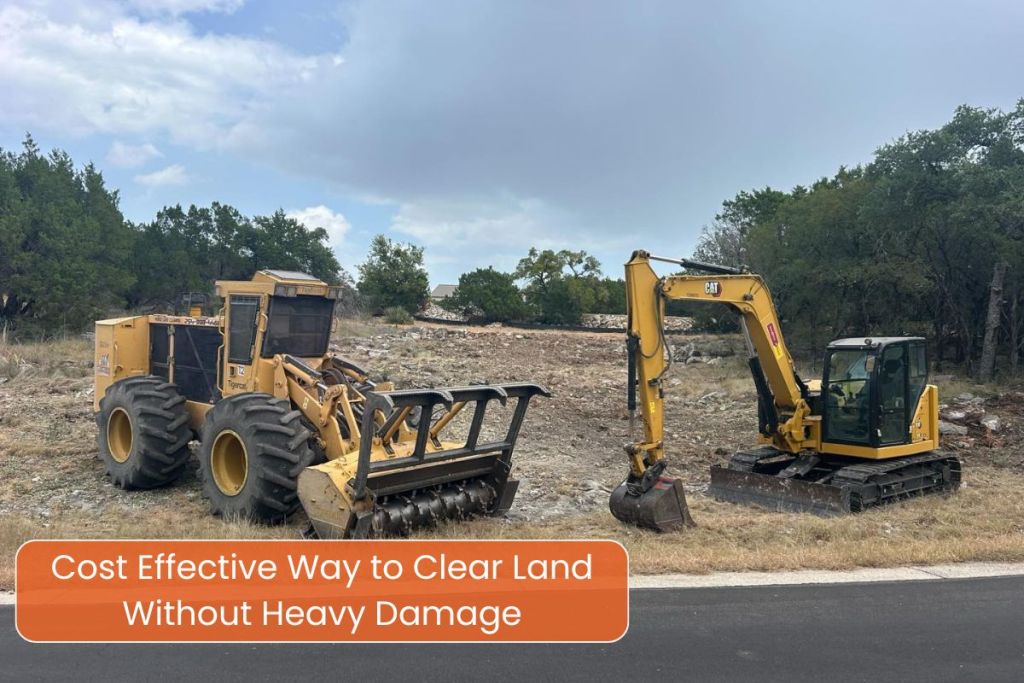
Forestry mulching is one of the most efficient and environmentally friendly land clearing methods available today. A single machine cuts, grinds, and mulches vegetation in one process.
Why Forestry Mulching Saves Money
- Eliminates hauling costs
- Reduces labor requirements
- Faster project completion
- No debris burning required
- Helps prevent erosion
Forestry mulching works especially well for:
- Brush clearing
- Fence lines
- Trails
- Lot preparation
- Overgrown acreage
The mulch remains on-site, helping improve soil protection and moisture retention.
Hand Clearing for Smaller Properties
For smaller lots or sensitive areas, hand clearing may be the best low-impact solution. Workers use chainsaws, trimmers, and manual tools to remove unwanted vegetation selectively.
Best Uses for Hand Clearing
- Residential backyards
- Areas with valuable trees
- Tight-access properties
- Environmentally sensitive land
Although slower than machine clearing, it helps preserve landscaping and avoid major ground disturbance.
Brush Mowing
Brush mowing uses rotary cutters or skid steer attachments to remove thick grass, weeds, and light brush.
This method is often budget-friendly because:
- Equipment costs are lower
- Minimal soil disruption occurs
- Maintenance is easier
- Cleanup requirements are reduced
Brush mowing is ideal for maintaining open land and preventing overgrowth.
Benefits of Low-Impact Land Clearing Worldwide
Choosing low-impact land clearing offers advantages beyond reducing project expenses.
Protects Soil and Reduces Erosion
Heavy equipment can strip valuable topsoil and create drainage issues. Low-impact methods help preserve natural soil structure and water flow.
Reduces Restoration Costs
Aggressive land clearing often leads to additional expenses such as:
- Regrading
- Soil replacement
- Drainage correction
- Reseeding
Low-damage clearing methods help avoid these problems.
Improves Property Appearance
Selective clearing preserves healthy trees and desirable vegetation, helping maintain curb appeal and property value.
Supports Environmental Sustainability
Low-impact clearing protects wildlife habitats and encourages faster natural recovery.
Simplifies Long-Term Maintenance
Methods like forestry mulching create a protective organic layer that helps suppress weeds and maintain cleaner land over time.
Step-by-Step Process for Clearing Land Efficiently
Understanding the right process helps property owners avoid unnecessary costs.
Evaluate the Property
Inspect:
- Vegetation density
- Tree size
- Terrain conditions
- Drainage areas
- Soil stability
A detailed assessment helps determine the most suitable clearing method.
Define the Purpose of the Land
Your land clearing needs depend on the intended use.
Examples include:
- Home construction
- Farming
- Ranching
- Recreational trails
- Commercial development
Clearing more land than necessary can increase costs significantly.
Choose the Right Clearing Method
Different land conditions require different solutions.
|
Land Condition |
Recommended Method |
|
Light vegetation |
Brush mowing |
|
Dense brush |
Forestry mulching |
|
Small lots |
Hand clearing |
|
Large trees |
Selective tree removal |
|
Rocky terrain |
Manual clearing |
Manage Debris Properly
Hauling debris away can become expensive. Mulching vegetation on-site often reduces disposal costs while improving soil quality.
Protect the Land After Clearing
Use erosion control methods when necessary and avoid disturbing waterways or steep slopes.
Factors That Affect Land Clearing Costs
Several factors influence the total price of a land clearing project.
Property Size
Larger properties generally cost more overall, although the per-acre rate may decrease on bigger projects.
Vegetation Density
Thicker brush and larger trees require more labor, fuel, and equipment time.
Terrain Complexity
Rocky areas, steep slopes, and wet ground increase project difficulty and equipment needs.
Accessibility
Remote or hard-to-reach properties may require smaller equipment or additional labor.
Stump Removal Needs
Leaving stumps can significantly reduce overall project costs. Full stump excavation is typically one of the most expensive parts of land clearing.
Stump Grinding vs. Full Stump Removal
Stump Grinding
- Lower cost
- Faster process
- Minimal land disturbance
Full Stump Removal
- Higher labor costs
- Larger holes requiring repair
- Greater soil disruption
For many landowners, stump grinding offers better value.
Most Cost-Effective Way to Clear Land Without Heavy Damage
The most cost-effective way to clear land without heavy damage is often forestry mulching combined with selective vegetation removal. This method reduces multiple stages of work while protecting soil quality and reducing debris disposal expenses.
Why Forestry Mulching Delivers Strong Value
- One-step clearing process
- Reduced labor requirements
- Minimal soil disruption
- Faster completion timelines
- Lower restoration expenses
However, every property is different. Smaller lots may benefit more from hand clearing or brush mowing depending on the terrain and vegetation.
The ideal approach depends on:
- Land size
- Budget
- Vegetation type
- Future land use
How to Choose the Right Land Clearing Company
Hiring the right land clearing contractor can help prevent unnecessary damage and unexpected costs.
Look for Specialized Equipment
Companies offering forestry mulching and selective clearing often provide more efficient and environmentally responsible solutions.
Verify Licensing and Insurance
Always confirm:
- Liability insurance
- Equipment coverage
- Proper permits
- Local compliance
Review Previous Projects
Request:
- Before-and-after photos
- Client reviews
- References
- Project timelines
Compare Detailed Estimates
Professional estimates should clearly outline:
- Equipment charges
- Labor costs
- Cleanup fees
- Timeline expectations
Common Mistakes to Avoid During Land Clearing
Removing Too Much Vegetation
Over-clearing increases costs and may reduce property value or create erosion issues.
Using Bulldozers for Every Project
Bulldozers are useful for large construction sites but may cause unnecessary soil damage on smaller properties.
Ignoring Drainage Concerns
Poor drainage planning can lead to water pooling and soil erosion after clearing.
Skipping Permit Requirements
Failing to obtain permits may result in project delays or fines.
Choosing Contractors Based Only on Price
The lowest quote may lead to poor workmanship, hidden fees, or expensive repairs later.
FAQ
What is the most affordable way to clear land with heavy brush?
Forestry mulching is often the most affordable option for heavily overgrown land because it combines cutting and debris management into one process.
Is forestry mulching better than bulldozing?
Forestry mulching is usually better for protecting soil quality and reducing restoration costs, while bulldozing is more suitable for major excavation projects.
Can land be cleared without damaging the environment?
Yes, low-impact methods like selective clearing and forestry mulching help minimize soil disruption and preserve surrounding vegetation.
What is the safest method for clearing land?
Selective clearing and forestry mulching are considered some of the safest methods because they reduce erosion and preserve natural soil structure.
How do I find land clearing companies near me?
Search online for forestry mulching, brush clearing, or land clearing contractors near your area. Compare reviews, experience, and estimates before hiring.
Summary
Finding the most cost-effective way to clear land without heavy damage starts with choosing the right method for your property. Forestry mulching, brush mowing, and selective clearing often provide the best balance between affordability, efficiency, and environmental protection. These approaches help reduce labor, protect soil quality, and minimize long-term restoration costs.
Before beginning a project, carefully evaluate your property, compare contractor estimates, and focus on long-term land value rather than short-term savings alone. If you are planning a land clearing project, Pierce Land Clearing can help you explore efficient and low-impact clearing solutions tailored to your property goals.
Ready to Clear Land Without Heavy Damage?
Pierce Land Clearing provides affordable land clearing services in Wimberley, Dripping Spring, Elgin, San Antonio, Brenham, and nearby areas. Contact our team today to schedule your free consultation and prepare your property for farming, construction, trails, ranching, or future development.