
What Factors Affect the Cost of Commercial Land Clearing in Texas?
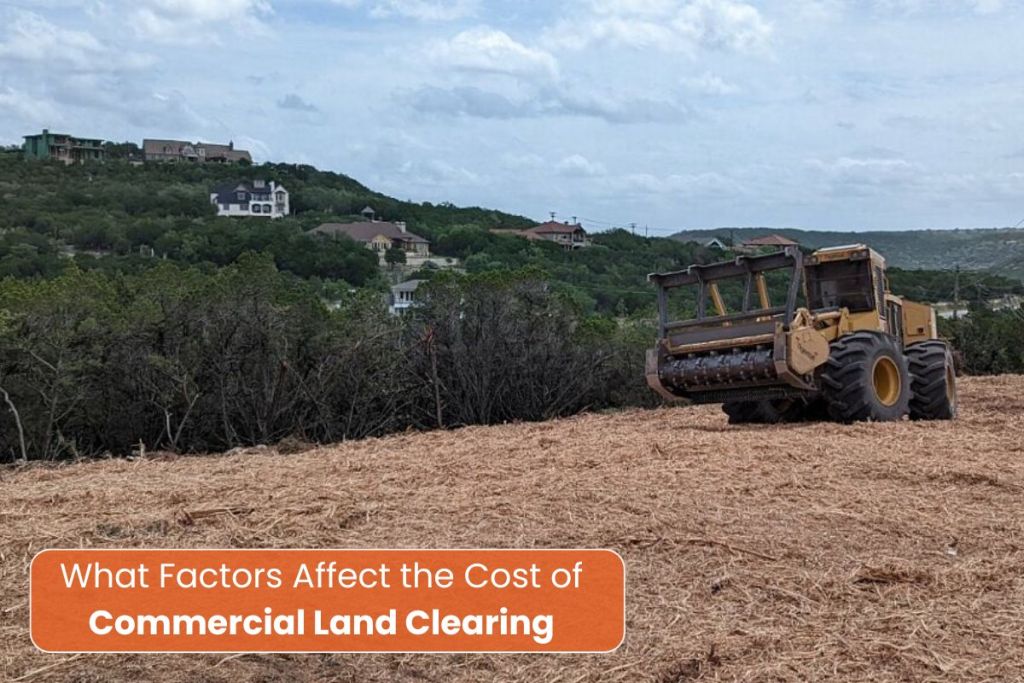
Commercial development in Texas continues to expand, from industrial facilities and warehouses to retail centers, energy projects, and large-scale business developments. Before construction can begin, many properties require professional land clearing to create a safe, accessible, and usable site.
However, commercial land clearing costs can vary significantly from one project to another. A vacant property in one part of Texas may require minimal preparation, while another site with dense vegetation, uneven terrain, drainage concerns, or difficult access may require much more planning and equipment.
Understanding what affects commercial land clearing costs helps developers, contractors, and property owners create realistic budgets and make better decisions before starting a project.
Several factors influence the overall cost of clearing commercial land, including property size, vegetation conditions, terrain, accessibility, debris management, environmental considerations, and the future use of the property.
Why Commercial Land Clearing Costs Vary Across Texas
There is no standard price for commercial land clearing because every property has different conditions.
Texas has a wide range of landscapes, including:
- Wooded properties
- Agricultural land
- Overgrown pastures
- Rural acreage
- Brush-heavy areas
- Undeveloped commercial tracts
A commercial property in East Texas with dense trees may require a different approach than an open tract of land in West Texas. Similarly, a property planned for a warehouse development may require different preparation compared to land being developed for a solar project or industrial facility.
Before determining the scope of work, several factors must be considered:
- What vegetation needs to be removed?
- How large is the property?
- How accessible is the site?
- What will the property be used for?
- Are there drainage or environmental concerns?
- What level of site preparation is required?
Understanding these factors helps property owners avoid unexpected costs during development.
Property Size and Acreage Requirements
One of the biggest factors affecting commercial land clearing costs is the size of the property.
Larger commercial properties generally require:
- More equipment hours
- Additional labor
- Longer project timelines
- More detailed planning
For example, clearing a small commercial lot for a new retail building may require a different amount of work compared to preparing hundreds of acres for an industrial park or distribution center.
However, acreage alone does not determine the cost.
A large open field may be easier to clear than a smaller property covered with thick brush, mature trees, and uneven terrain.
The overall condition of the property is often just as important as the total acreage.
Type and Density of Vegetation
The type of vegetation on a commercial property plays a major role in determining clearing requirements.
Texas properties often contain vegetation such as:
- Cedar trees
- Mesquite
- Dense brush
- Overgrown grass
- Mixed timber
- Small trees and undergrowth
A property with light vegetation may only need basic clearing, while heavily wooded land may require more specialized equipment and additional time.
Dense vegetation can impact:
- Equipment selection
- Project timeline
- Labor requirements
- Cleanup needs
For example, preparing land for an industrial facility may require removing large areas of vegetation to create enough space for buildings, parking areas, access roads, and future expansion.
Tree Removal and Stump Management
Trees are another important factor that can affect commercial land clearing costs.
Large trees require additional planning because they may involve:
- Specialized equipment
- Stump removal
- Root removal
- Additional cleanup
- Material management
Some commercial projects require complete clearing, while others may benefit from selective clearing.
For example, a commercial development may preserve certain mature trees to improve the appearance of the property while removing vegetation that interferes with construction plans.
The number, size, and location of trees can significantly influence the amount of work required.
Terrain and Ground Conditions
The physical condition of the land can also impact commercial clearing costs.
Texas properties can include a variety of terrain challenges, such as:
- Sloped areas
- Rocky ground
- Uneven surfaces
- Poor drainage areas
- Low-lying sections
Difficult terrain may require additional planning and specialized equipment.
For example, a commercial site with uneven ground may require more preparation before construction can begin. Drainage concerns may also need to be addressed to ensure the property is suitable for future development.
Understanding site conditions early helps prevent delays and unexpected project changes.
Accessibility and Equipment Requirements
Access to the property is another important factor that affects commercial land clearing costs.
Heavy equipment must be able to safely reach different areas of the site. Properties with limited access may create additional challenges.
Factors that can affect accessibility include:
- Narrow entrances
- Poor road conditions
- Remote locations
- Limited working space
- Difficult terrain
A property with easy equipment access can often be cleared more efficiently compared to a site where machinery movement is restricted.
For large commercial projects, proper access planning is especially important because equipment needs room to operate safely and effectively.
Debris Removal and Material Management
After vegetation and trees are removed, the remaining materials must be managed properly.
Commercial projects may require different approaches depending on future plans for the property.
Common options include:
Mulching Materials On-Site
Some vegetation can be processed and left on the property, which may help improve the ground surface and reduce disposal needs.
Removing Debris
Some construction projects require a completely clean site, meaning removed materials must be hauled away.
Managing Materials for Future Use
In some cases, materials may be organized or managed as part of the overall site preparation plan.
The chosen approach can affect both project planning and overall costs.
The Future Use of the Property Affects Clearing Requirements
The intended use of the land plays a major role in determining the level of clearing required.
Different commercial projects have different needs.
Warehouse and Distribution Centers
These projects often require:
- Large open areas
- Truck access
- Parking areas
- Future expansion space
Industrial Facilities
Industrial properties may require:
- Extensive site preparation
- Equipment access
- Large building areas
- Utility planning
Solar Developments
Solar projects often require:
- Vegetation management
- Open areas for panels
- Maintenance access routes
Retail and Commercial Buildings
Retail properties may require:
- Visibility from roads
- Customer access
- Parking preparation
- Improved site layout
Because every development has different goals, the clearing approach must match the final use of the property.
Environmental and Site Considerations in Texas
Commercial land clearing projects may also require attention to environmental and site conditions.
Important considerations include:
- Drainage patterns
- Soil protection
- Erosion prevention
- Water flow
- Sensitive areas
Proper planning helps protect the property while preparing it for future construction.
A well-planned clearing project should create usable space while considering the long-term condition of the land.
How Property Owners Can Better Plan Commercial Land Clearing Costs
While every project is different, property owners can take several steps to improve planning.
Understand Your Development Goals
Knowing what you plan to build helps determine the type and amount of clearing required.
A property planned for a warehouse will have different needs than land being prepared for an office building or industrial facility.
Evaluate the Property Early
Review:
- Vegetation conditions
- Terrain
- Access points
- Drainage concerns
Early evaluation helps identify potential challenges before work begins.
Plan for Future Growth
Consider future needs such as:
- Additional buildings
- Parking areas
- Roads
- Utilities
- Expansion areas
Planning ahead can help avoid having to redo site work later.
Why Proper Land Clearing Is an Investment in Your Texas Development Project
Commercial land clearing is more than simply removing trees and vegetation. It creates the foundation for future construction and development.
Proper planning can help create:
- Better site accessibility
- Improved construction conditions
- More usable property space
- Fewer unexpected issues during development
For developers and property owners, understanding the factors that influence commercial land clearing costs makes it easier to plan projects effectively.
Frequently Asked Questions
How much does commercial land clearing cost in Texas?
Commercial land clearing costs vary based on property size, vegetation, terrain, accessibility, and the amount of preparation required. Every project has different conditions.
What factors increase commercial land clearing costs?
Factors that can increase costs include dense vegetation, large trees, difficult terrain, limited access, debris removal, and additional site preparation requirements.
Does tree removal increase commercial land clearing costs?
Yes. Large tree removal and stump management often require additional equipment, labor, and cleanup.
How long does commercial land clearing take?
The timeline depends on the size of the property, site conditions, vegetation density, and project requirements.
Is land clearing necessary before commercial construction?
In many cases, yes. Clearing helps create a safer and more accessible site for future construction.
How do developers prepare land for commercial projects in Texas?
Developers typically evaluate the property, identify site challenges, plan clearing needs, and prepare the land based on the future development goals.
Final Thoughts
Commercial land clearing costs in Texas depend on many different factors. Property size, vegetation, terrain, access, debris management, and future development plans all play a role in determining the overall scope of work.
By understanding these factors before starting a project, commercial property owners and developers can make better decisions, create more accurate budgets, and prepare their land for successful development.
Plan Your Texas Commercial Land Clearing Project
Every commercial property has different challenges, from vegetation and terrain to access and future development plans. Understanding these factors before clearing begins can help property owners make better decisions and prepare their land for successful development.
Pierce Land Clearing works with property owners, developers, and contractors across Texas to help prepare land for commercial and large-scale projects. Our team provides land clearing solutions for properties throughout Fredericksburg, Round Top, San Antonio, Wimberley, and surrounding areas.
If you are planning a commercial development or need to prepare your Texas property for future construction, Pierce Land Clearing can help you understand the next steps for your project.