
When is the Right Time for Land Clearing in Georgetown Texas?
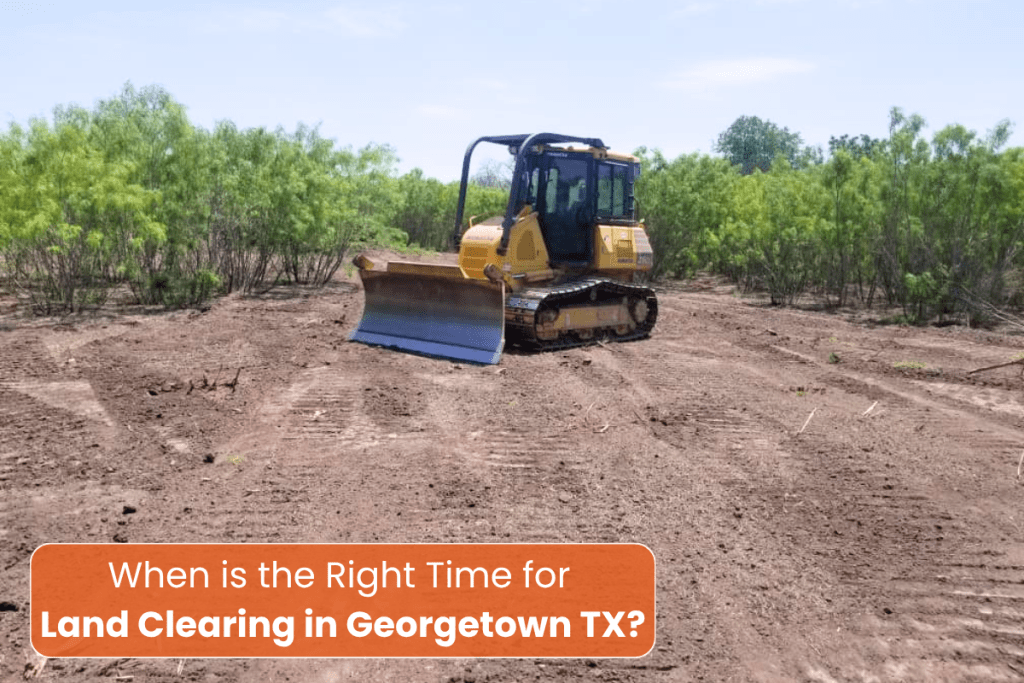
Land clearing is a crucial first step in any construction, agricultural, or property improvement project. However, timing plays a far more significant role than many property owners realize. Choosing the right season and understanding local conditions can help you save money, avoid delays, and ensure long-term project success. If you’re planning a project in Georgetown, Texas, knowing when to clear your land can make all the difference.
This guide explores the best time for land clearing, cost considerations, seasonal factors, and key regulations so you can make an informed decision.
Why Timing Matters for Land Clearing
Land clearing isn’t just about removing trees, brush, and debris—it’s about preparing your property for safe and efficient development. Timing impacts:
- Soil stability and erosion control
- Equipment accessibility and efficiency
- Project costs and labor availability
- Environmental compliance and permitting
Clearing land at the wrong time can lead to complications such as muddy terrain, increased fuel usage, or even project delays due to weather or regulations.
Understanding Georgetown’s Climate and Its Impact
Georgetown, Texas, experiences a mix of hot summers, mild winters, and occasional heavy rainfall. These weather patterns directly affect land clearing operations.
Seasonal Breakdown
- Spring (March–May): Moderate temperatures but higher rainfall
- Summer (June–August): Hot and dry conditions
- Fall (September–November): Cooler temperatures with lower humidity
- Winter (December–February): Mild with occasional wet spells
Each season presents unique advantages and challenges for clearing land efficiently.
Best Time for Land Clearing in Georgetown
Choosing the best time for land clearing depends on your project goals, soil condition, and vegetation type. However, certain seasons stand out as more favorable.
Fall: The Ideal Season
Fall is widely considered the most effective time for land clearing in Georgetown.
Why fall works best:
- Drier soil conditions reduce equipment slippage
- Vegetation begins to thin out, making removal easier
- Lower risk of heavy rainfall delays
- Better scheduling availability with contractors
This season allows for efficient clearing while preparing your land for spring construction.
Summer: Fast but Challenging
Summer offers dry conditions, which can speed up clearing projects.
Advantages:
- Hard, dry soil supports heavy machinery
- Faster debris removal due to low moisture
Challenges:
- Extreme heat can increase labor fatigue
- Higher risk of wildfires
- Equipment may overheat during prolonged use
Summer is suitable for smaller or urgent projects but requires careful planning and safety precautions.
Winter: A Hidden Opportunity
Winter in Georgetown is relatively mild, making it a viable option for land clearing.
Benefits:
- Reduced demand may lower service costs
- Easier removal of dormant vegetation
- Minimal disruption to wildlife
Limitations:
- Occasional rain can soften the soil
- Shorter daylight hours may slow progress
Spring: Proceed with Caution
Spring is often less ideal due to increased rainfall and growing vegetation.
Potential drawbacks:
- Wet soil conditions can damage equipment and delay work
- Rapid plant growth may increase workload
- Higher demand for services may raise costs
While not impossible, spring clearing requires careful scheduling and contingency planning.
Factors That Influence the Right Timing
Beyond seasons, several factors determine when you should begin clearing your land.
1. Project Type and Timeline
If you’re preparing for construction, clearing should be completed several months before building begins to allow for grading and soil stabilization.
2. Vegetation Density
Heavily wooded areas may require more time and specialized equipment, making fall or winter more suitable.
3. Soil Conditions
Dry, compact soil is easier to work with and minimizes erosion risks.
4. Budget Considerations
Timing can significantly impact the land clearing cost in Georgetown. Off-season work may be more affordable due to lower demand.
Land Clearing Methods and Techniques
Choosing the right approach is just as important as timing. Different land clearing methods and techniques are suited for various project types.
Common Methods
- Forestry Mulching: Converts vegetation into mulch, improving soil health
- Bulldozing: Effective for large-scale clearing but may disturb soil
- Cut and Grind: Ideal for selective tree removal
- Controlled Burning: Used in specific cases with proper permits
Each method has its pros and cons, and the right choice depends on your land’s size, terrain, and intended use.
Cost Considerations for Land Clearing
Understanding the land clearing cost in Georgetown helps you plan your project more effectively.
Key Cost Factors
- Size of the property
- Type and density of vegetation
- Equipment and labor requirements
- Accessibility of the site
- Debris removal and disposal
How Timing Affects Costs
- Peak seasons (spring/summer): Higher demand may increase pricing
- Off-peak seasons (fall/winter): More competitive rates and availability
Planning your project during less busy times can lead to significant savings.
Permit Requirements for Land Clearing
Before starting any project, it’s essential to understand the permit requirements for land clearing in Georgetown.
What You Need to Know
- Permits may be required for removing certain trees
- Environmental regulations protect local ecosystems
- Erosion and sediment control measures may be mandatory
- Zoning laws can impact clearing activities
Failing to secure the necessary permits can result in fines, delays, or legal complications. Always consult local authorities or a professional service provider before beginning work.
Environmental Considerations
Responsible land clearing goes beyond removing vegetation—it involves protecting the environment and maintaining ecological balance.
Best Practices
- Preserve healthy trees when possible
- Use erosion control measures
- Avoid clearing during heavy rainfall
- Implement sustainable clearing methods
These practices not only protect your property but also ensure compliance with local regulations.
Planning Your Land Clearing Project
A well-planned approach ensures your project runs smoothly from start to finish.
Steps to Follow
- Assess your land: Identify vegetation, terrain, and obstacles
- Define your goals: Construction, agriculture, or landscaping
- Choose the right season: Based on weather and soil conditions
- Select appropriate methods: Match techniques to your needs
- Obtain permits: Ensure compliance with local laws
- Hire professionals: Experienced contractors improve efficiency and safety
Proper planning minimizes risks and maximizes results.
When planning land clearing in Georgetown Texas, it’s essential to align your timeline with both environmental conditions and project goals. A strategic approach ensures efficient execution while avoiding unnecessary costs and delays.
Common Mistakes to Avoid
Even with the best intentions, certain mistakes can derail your land clearing project.
- Starting during the rainy season
- Ignoring permit requirements
- Choosing the wrong clearing method
- Underestimating project costs
- Hiring inexperienced contractors
Avoiding these pitfalls can save time, money, and frustration.
FAQs
1. What is the best time for land clearing in Georgetown?
Fall is generally the best time due to dry conditions, moderate temperatures, and lower demand for services.
2. How much does land clearing cost in Georgetown?
Costs vary depending on property size, vegetation, and methods used, but timing and demand can significantly influence pricing.
3. Do I need permits for land clearing?
Yes, certain projects require permits, especially when removing protected trees or working near environmentally sensitive areas.
4. Which land clearing method is best?
The best method depends on your project goals, terrain, and environmental considerations. Forestry mulching is often preferred for its eco-friendly benefits.
5. Can land clearing be done year-round?
Yes, but some seasons are more efficient and cost-effective than others, particularly fall and winter.
Summary
Choosing the right time for land clearing in Georgetown is essential for achieving efficient, cost-effective, and environmentally responsible results. Seasonal conditions, soil health, project goals, and local regulations all play a critical role in determining the best approach. By planning ahead and selecting the right timing, you can avoid delays, reduce costs, and ensure your project’s long-term success.
For property owners seeking reliable and professional support, Pierce Land Clearing offers expertise tailored to Georgetown’s unique conditions, helping you complete your project with confidence and precision.