How Underbrush Removal Helps Reduce Wildfire Risks on Large Properties
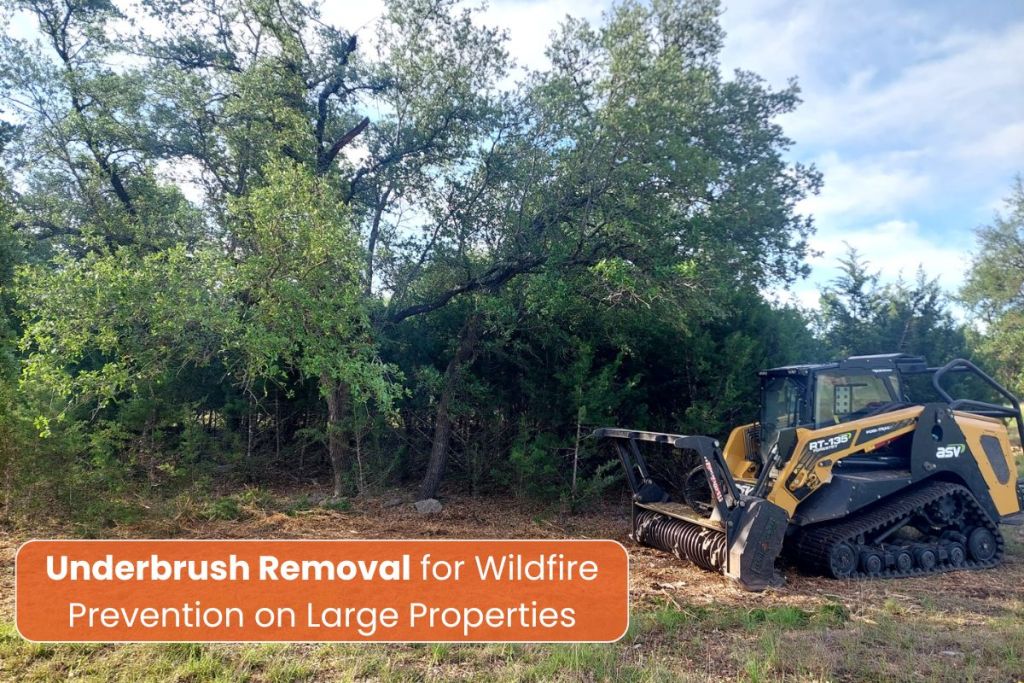
Wildfires have become one of the most serious threats to rural, agricultural, and undeveloped properties across the United States. Large properties filled with dry grass, dead trees, thick shrubs, and unmanaged vegetation can quickly become fuel sources during hot and windy conditions. Property owners who fail to maintain their land often face higher risks of fire damage, environmental loss, and expensive recovery costs.
One of the most effective ways to lower these risks is through professional underbrush removal. Removing excess vegetation helps create safer, cleaner, and more manageable land while significantly reducing the chances of fast-spreading wildfires. Whether the property is used for farming, ranching, residential development, recreation, or commercial purposes, strategic vegetation control plays a major role in long-term fire prevention.
Property owners are increasingly investing in proactive solutions such as brush clearing services and vegetation management to protect structures, improve accessibility, and maintain healthier landscapes. In areas vulnerable to dry weather and high temperatures, proper land maintenance is no longer optional—it is an essential safety measure.
Understanding Why Underbrush Increases Wildfire Risks
Underbrush refers to dense vegetation that grows beneath larger trees and across open land areas. It typically includes:
- Dry grass
- Thick shrubs
- Small trees
- Fallen branches
- Dead leaves
- Overgrown weeds
- Rotten wood debris
When these materials accumulate, they create highly flammable fuel that allows fires to ignite and spread rapidly. Even a small spark from lightning, machinery, campfires, or power lines can trigger a wildfire under the right conditions.
Large properties are especially vulnerable because unmanaged land gives fires plenty of room to move quickly. Once flames reach dense underbrush, the fire intensity increases, making it difficult to control or contain.
Professional underbrush removal reduces these fuel loads and creates safer spaces around structures, roadways, fences, and wooded areas.
The Role of Vegetation Management in Fire Prevention
Effective vegetation management is one of the most important strategies for reducing wildfire dangers on large properties. It involves controlling plant growth, removing hazardous debris, and maintaining safer distances between vegetation and structures.
When vegetation becomes too dense, airflow decreases and dry organic material accumulates. This creates the ideal environment for fires to spread aggressively. By managing vegetation regularly, property owners can:
- Reduce combustible fuel sources
- Improve visibility and accessibility
- Slow wildfire spread
- Protect buildings and infrastructure
- Improve overall land health
- Support safer emergency access routes
Strategic vegetation control also helps firefighters defend properties more effectively during wildfire events.
Why Large Properties Require Regular Underbrush Removal
Large parcels of land naturally experience faster vegetation growth due to limited daily maintenance. Without proper upkeep, brush and debris can quickly become unmanageable.
Property owners who invest in regular land clearing services in Texas often reduce long-term maintenance costs while improving overall land safety. Consistent clearing schedules help prevent vegetation buildup before it becomes a serious wildfire hazard.
Many large properties contain remote areas that are difficult to inspect regularly. Over time, dead vegetation accumulates in these locations, increasing the fire load across the land. Professional underbrush removal ensures these overlooked areas are properly maintained and safer throughout the year.
How Brush Clearing Services Reduce Wildfire Fuel
Professional brush clearing services are designed to remove thick vegetation that contributes to wildfire intensity. Specialized equipment can efficiently clear large sections of overgrown land while preserving healthy trees and valuable landscape features.
Brush clearing commonly includes:
- Removing dead vegetation
- Eliminating invasive plant species
- Cutting overgrown shrubs
- Clearing dry grasses
- Removing fallen branches and tree debris
- Creating defensible spaces around structures
These services reduce the amount of flammable material available during wildfire conditions. By lowering fuel density, fires become slower, less intense, and easier to control.
Professionals also evaluate the terrain and vegetation patterns to determine the safest and most effective clearing methods for each property.
Defensible Space: A Critical Wildfire Prevention Strategy
Creating defensible space is one of the most recommended wildfire prevention methods for properties located near wooded or dry areas. Defensible space refers to the buffer zone between structures and surrounding vegetation.
This buffer helps stop fires from reaching buildings while giving firefighters safer working conditions during emergencies.
Underbrush removal helps establish defensible zones by:
- Reducing vegetation near homes and structures
- Preventing fire from climbing into tree canopies
- Slowing ground fire movement
- Improving access for firefighting equipment
- Limiting ember ignition risks
Large properties with barns, workshops, storage buildings, fencing systems, or residential structures benefit significantly from properly maintained defensible spaces.
Forestry Mulching Services for Safer Land Management
Modern forestry mulching services provide an environmentally friendly solution for clearing underbrush and managing vegetation. This process uses specialized equipment to grind trees, shrubs, and brush into mulch directly on-site.
Unlike traditional clearing methods that leave piles of debris behind, forestry mulching creates a protective mulch layer that helps:
- Reduce soil erosion
- Retain soil moisture
- Improve soil quality
- Suppress excessive weed growth
- Lower environmental disturbance
Forestry mulching is particularly effective for large properties because it clears vegetation efficiently while minimizing damage to the land.
It also reduces the need for hauling, burning, or extensive cleanup operations, making it a cost-effective wildfire prevention strategy.
How Wildfire Prevention Protects Property Value
Wildfire damage can drastically reduce property value and lead to expensive restoration costs. Fires can destroy buildings, fencing, landscaping, equipment, and natural habitats within minutes.
Property owners who prioritize wildfire prevention for properties often experience several long-term benefits, including:
- Better land usability
- Improved safety conditions
- Higher property appeal
- Reduced insurance concerns
- Lower emergency repair costs
- Increased development potential
Maintaining cleaner land also demonstrates responsible ownership, which can be beneficial when selling, leasing, or developing large properties.
The Importance of Seasonal Underbrush Maintenance
Vegetation growth changes throughout the year depending on climate conditions, rainfall, and temperature. Seasonal maintenance helps prevent excessive fuel accumulation before wildfire season begins.
Spring and early summer are especially important periods for vegetation control because grasses and shrubs grow rapidly during these seasons. Once dry weather arrives, these plants become highly combustible.
Regular maintenance schedules help property owners stay ahead of dangerous buildup. Many professionals recommend annual or semi-annual inspections to evaluate vegetation density and wildfire risks.
Properties located in drought-prone regions may require more frequent clearing to maintain safe conditions.
Environmental Benefits of Controlled Vegetation Removal
Responsible underbrush removal not only improves fire safety but also supports healthier ecosystems. Overgrown vegetation can block sunlight, restrict airflow, and create unhealthy competition between plant species.
Proper clearing allows healthier trees and native vegetation to thrive more effectively.
Environmental advantages include:
- Improved wildlife habitat balance
- Better water drainage
- Reduced invasive species growth
- Healthier soil conditions
- Enhanced tree growth and stability
Sustainable clearing methods help preserve natural landscapes while reducing dangerous fire conditions.
Equipment Used in Professional Underbrush Removal
Professional land-clearing contractors use advanced machinery designed for efficient and safe vegetation removal across large areas.
Common equipment includes:
- Forestry mulchers
- Brush cutters
- Excavators
- Skid steers
- Masticators
- Bulldozers
- Chainsaws
The type of equipment used depends on the terrain, vegetation density, and property goals. Professionals carefully assess each project to minimize environmental disruption while maximizing clearing efficiency.
For larger development or infrastructure projects, some property owners also combine underbrush clearing with commercial land clearing to prepare safer and more usable land for future construction or expansion.
Why DIY Underbrush Removal Can Be Risky
Some property owners attempt to clear underbrush themselves, but large-scale vegetation removal often involves safety risks and technical challenges.
Improper clearing can lead to:
- Soil erosion
- Property damage
- Equipment injuries
- Uncontrolled debris burning
- Environmental damage
- Incomplete fuel reduction
Professional crews have the experience, equipment, and safety protocols necessary to handle large properties efficiently and responsibly.
Hiring experienced specialists also saves time and ensures wildfire prevention strategies are implemented correctly.
Long-Term Cost Savings of Wildfire Prevention
Preventive vegetation management is far more affordable than recovering from wildfire destruction. Fire damage often results in:
- Structural rebuilding expenses
- Equipment replacement
- Soil restoration costs
- Tree removal expenses
- Insurance complications
- Lost property productivity
Regular underbrush removal helps property owners avoid many of these financial burdens.
Investing in proactive land maintenance today can prevent devastating losses in the future while preserving the long-term usability of the property.
Signs Your Property Needs Immediate Underbrush Removal
Many property owners wait too long before addressing vegetation buildup. Several warning signs indicate that immediate clearing may be necessary:
- Dense dry grass covering large areas
- Thick shrub growth near structures
- Fallen branches accumulating across the property
- Dead trees or decaying vegetation
- Limited visibility through wooded areas
- Restricted access roads or trails
- Increased pest activity
If these conditions are present, the property may already face elevated wildfire risks.
Professional inspections can help determine the safest and most effective clearing plan.
FAQs
How does underbrush removal help prevent wildfires?
Underbrush removal eliminates dry and flammable vegetation that acts as fuel for wildfires. Reducing this fuel load slows fire spread and lowers fire intensity.
What are brush clearing services?
Brush clearing services involve removing dense vegetation such as shrubs, weeds, small trees, and debris to improve land safety, accessibility, and wildfire protection.
How often should large properties be cleared?
Most large properties benefit from annual or semi-annual vegetation maintenance, although frequency depends on climate conditions, vegetation growth, and wildfire risk levels.
Are forestry mulching services environmentally friendly?
Yes. Forestry mulching services are considered environmentally friendly because they recycle vegetation into mulch, reduce soil disturbance, and minimize erosion.
What is vegetation management?
Vegetation management involves controlling plant growth and removing hazardous vegetation to improve safety, land health, and wildfire prevention.
Can underbrush removal improve property value?
Yes. Cleaner, safer, and well-maintained properties are often more attractive to buyers, developers, and investors.
Summary
Underbrush removal plays a vital role in protecting large properties from the growing threat of wildfires. By reducing flammable vegetation, improving defensible space, and supporting healthier land conditions, property owners can significantly lower fire risks while enhancing long-term property value and usability.
Professional solutions such as brush clearing services, vegetation management, and forestry mulching services provide efficient and environmentally responsible ways to maintain safer land throughout the year. For property owners seeking dependable wildfire prevention solutions and expert land management support, Pierce Land Clearing offers professional services designed to help maintain cleaner, safer, and more manageable properties.