
How Site Conditions Impact Land Clearing Projects in Bryan, Texas
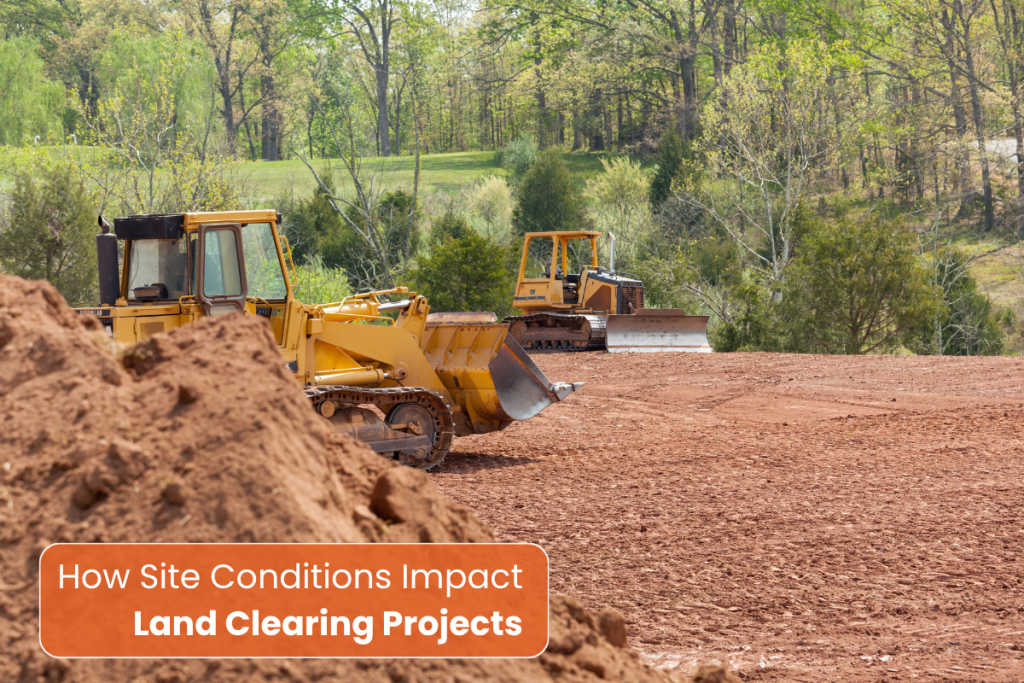
Land clearing is a critical first step in any construction, agricultural, or development project. However, not all properties are created equal—especially in a region like Bryan, Texas, where diverse landscapes and environmental factors play a major role in determining how efficiently and successfully land can be cleared. Understanding how site conditions affect the process is essential for property owners, developers, and contractors aiming to minimize delays, control costs, and ensure long-term project success.
In this guide, we’ll explore the most important site conditions that influence land clearing projects in Bryan and how to navigate them effectively.
Why Site Conditions Matter in Land Clearing
Before any machinery hits the ground, evaluating site conditions is crucial. These conditions determine the type of equipment required, the timeline of the project, environmental considerations, and overall cost. Ignoring these factors can lead to unexpected challenges such as equipment damage, project delays, or even regulatory issues.
In Bryan, Texas, varying soil types, dense vegetation, and uneven terrain make site assessment even more important. Each of these elements directly impacts the strategy used for land clearing.
Soil Conditions for Land Clearing: A Critical Factor
One of the most influential aspects of any land clearing project is the soil itself. Different soil types behave differently under heavy equipment, affecting both efficiency and safety.
Types of Soil Common in Bryan, Texas
- Clay Soil: Common in many parts of Bryan, clay is dense and retains water, making it sticky when wet and hard when dry. This can slow down equipment and increase wear and tear.
- Sandy Soil: Easier to work with, but may cause instability for heavy machinery.
- Loamy Soil: Ideal for clearing, as it offers a balanced mix of sand, silt, and clay.
How Soil Conditions Impact the Process
- Equipment Selection: Heavy clay soils may require more powerful machinery, while sandy soils may need stabilization techniques.
- Project Timeline: Wet or compacted soil can delay progress significantly.
- Erosion Risks: Poor soil management can lead to long-term issues like erosion and drainage problems.
Proper analysis of soil conditions for land clearing ensures that the right approach is taken from the start, reducing risks and improving efficiency.
Terrain Challenges in Land Clearing Projects
Terrain plays a major role in how land clearing is executed. In Bryan, properties may range from flat open land to rolling hills and uneven surfaces.
Common Terrain Challenges
- Slopes and Inclines: These require specialized equipment and experienced operators to ensure safety.
- Rocky Ground: Rocks and underground obstacles can slow down clearing and damage machinery.
- Low-Lying Areas: These may be prone to flooding, complicating the clearing process.
Impact on Land Clearing
- Safety Concerns: Uneven terrain increases the risk of accidents.
- Increased Costs: More labor and specialized equipment may be required.
- Time Delays: Navigating difficult terrain often takes longer.
Understanding terrain challenges in land clearing helps in planning the project more effectively and avoiding costly surprises.
Vegetation Impact on Land Clearing
The type and density of vegetation on a property significantly influence the clearing process. In Bryan, Texas, vegetation can range from light grass cover to dense brush and large hardwood trees.
Types of Vegetation
- Light Vegetation: Grass and small shrubs are relatively easy to clear.
- Moderate Vegetation: Includes medium-sized bushes and young trees.
- Heavy Vegetation: Dense forests, mature trees, and thick underbrush.
How Vegetation Affects Clearing
- Equipment Requirements: Dense vegetation may require forestry mulchers or bulldozers.
- Labor Intensity: Heavier vegetation increases the complexity and duration of the project.
- Environmental Considerations: Some areas may require selective clearing to preserve certain plant species.
The vegetation impact on land clearing cannot be underestimated, as it directly affects both cost and environmental compliance.
Weather and Climate Considerations in Bryan, Texas
Bryan experiences a mix of hot summers and occasional heavy rainfall, both of which can affect land clearing operations.
Key Weather Factors
- Rainfall: Wet conditions can make soil unstable and difficult to work with.
- Heat: High temperatures can impact worker productivity and equipment performance.
- Seasonal Changes: Certain times of the year may be more suitable for clearing.
Impact on Projects
- Delays due to weather-related interruptions
- Increased maintenance needs for equipment
- Challenges in maintaining consistent progress
Planning around weather patterns is essential for keeping projects on track.
Drainage and Water Management Issues
Proper drainage is another critical site condition that affects land clearing projects.
Common Issues
- Standing water or poor drainage
- Proximity to water bodies
- Flood-prone zones
Why It Matters
- Soil Stability: Excess water weakens the ground, making it unsafe for machinery.
- Environmental Compliance: Regulations may restrict clearing near certain water sources.
- Future Development: Poor drainage can affect the usability of the land after clearing.
Addressing drainage issues early ensures a smoother clearing process and better long-term results.
Accessibility and Site Preparation
Even before clearing begins, accessibility can present challenges.
Factors to Consider
- Distance from main roads
- Narrow entry points
- Obstacles like fences or existing structures
Impact on Land Clearing
- Difficulty transporting equipment
- Increased setup time
- Higher operational costs
Improving site access beforehand can significantly enhance efficiency and reduce overall project time.
Regulatory and Environmental Considerations
Land clearing in Bryan, Texas, must comply with local regulations and environmental guidelines.
Key Considerations
- Permits and zoning laws
- Protected species or habitats
- Erosion control requirements
Failure to comply can result in fines, project delays, or legal complications. Working with experienced professionals ensures that all regulations are followed properly.
Choosing the Right Approach for Your Project
Given the complexity of site conditions, a one-size-fits-all approach simply doesn’t work. Each project requires a customized strategy based on:
- Soil type
- Terrain features
- Vegetation density
- Environmental factors
Midway through your planning, it’s essential to consult experts who specialize in land clearing service in Bryan to assess your property and recommend the most efficient methods.
Best Practices for Managing Site Conditions
To ensure a successful land clearing project, consider the following best practices:
Conduct a Thorough Site Assessment
Analyze soil, terrain, vegetation, and drainage before starting.
Use the Right Equipment
Match machinery to the specific conditions of your site.
Plan for Weather Conditions
Schedule work during favorable weather to avoid delays.
Implement Erosion Control Measures
Protect the land from long-term damage.
Work with Experienced Professionals
Expertise can make a significant difference in handling complex site conditions.
FAQs
1. Why are soil conditions important in land clearing?
Soil conditions determine how easily land can be cleared and what type of equipment is needed. Poor soil conditions can slow down the project and increase costs.
2. How do terrain challenges affect land clearing?
Uneven or rocky terrain requires specialized equipment and can increase both the time and cost of the project.
3. Does vegetation type really make a difference?
Yes, dense vegetation requires more powerful machinery and more time to clear, impacting overall project efficiency.
4. Can weather delay land clearing projects?
Absolutely. Rain and extreme heat can halt operations and create unsafe working conditions.
5. What is the best time of year for land clearing in Bryan?
Typically, drier months are more suitable, as they provide stable soil conditions and fewer weather-related disruptions.
6. Do I need permits for land clearing in Bryan, Texas?
In many cases, yes. It’s important to check local regulations and obtain necessary permits before starting.
7. How can I prepare my land before clearing begins?
Improving accessibility, removing obstacles, and conducting a site assessment are key steps in preparation.
Final Words
Site conditions play a defining role in the success of any land clearing project in Bryan, Texas. From soil composition and terrain challenges to vegetation density and weather patterns, each factor influences the methods, costs, and timeline involved. By carefully evaluating these elements and planning accordingly, property owners can avoid unnecessary complications and achieve better results.
For those seeking reliable expertise, Pierce Land Clearing offers professional solutions tailored to the unique conditions of properties in Bryan, helping ensure efficient and compliant project execution from start to finish.