What Is the Most Efficient Way to Clear Land for Agriculture?
Agriculture Land Clearing is a critical first step for turning raw, overgrown land into productive farmland anywhere in the world. Whether you’re starting a small farm or preparing a large acreage for commercial use, knowing how to clear land for farming efficiently can save time, reduce costs, and protect soil health. With modern techniques like forestry mulching and strategic brush clearing, landowners now have smarter, eco-friendly options compared to traditional methods. In this guide, we’ll break down the most efficient approaches, costs, and expert tips to help you make the right decision—no matter your location.
What Is Agriculture Land Clearing?
Agriculture land clearing is the process of removing trees, shrubs, stumps, rocks, and debris to prepare land for farming activities. The goal is to create a clean, level surface suitable for planting crops, grazing livestock, or building agricultural infrastructure.
This process can vary depending on land size, terrain, vegetation density, and intended agricultural use. Modern Land Clearing techniques focus not just on removing obstacles, but also on preserving soil quality and minimizing environmental impact.
Most Efficient Way to Clear Land for Agriculture
The most efficient method depends on your land type and farming goals. However, combining modern machinery with sustainable practices is generally the best approach.
Forestry Mulching
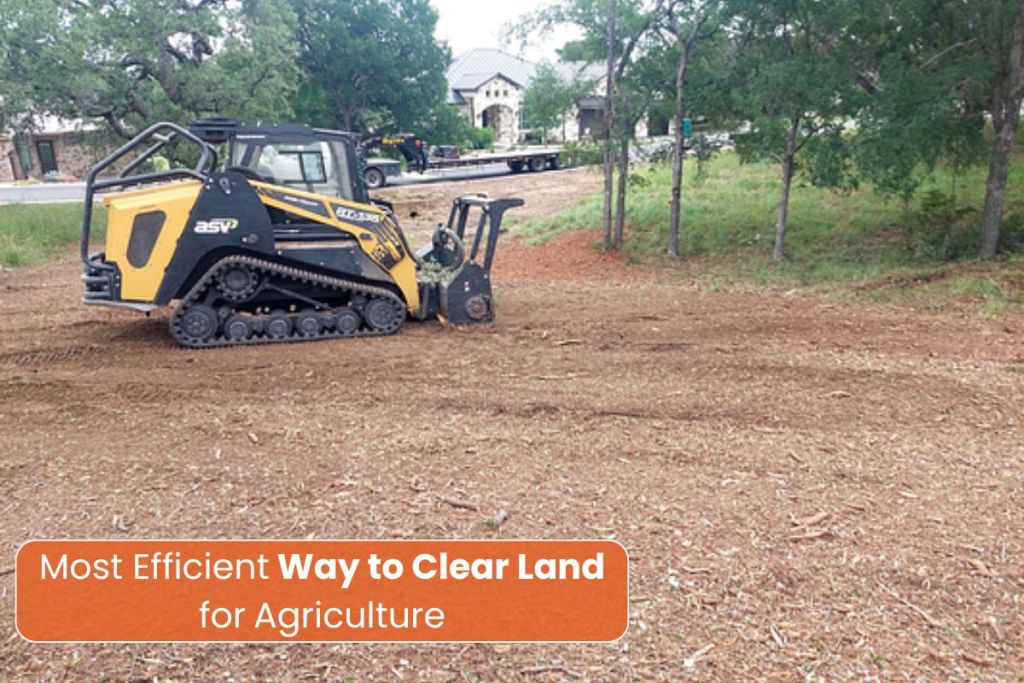
Forestry mulching uses specialized machines to grind trees and vegetation into mulch, which is spread across the soil.
Why it’s efficient:
- Eliminates hauling and burning
- Improves soil fertility
- Reduces erosion
- Faster than traditional clearing
Bulldozing and Excavation
This method involves heavy machinery to push and remove trees, roots, and rocks.
Best for:
- Large-scale farming projects
- Land with dense tree cover
Brush Clearing for Light Vegetation
Ideal for land with smaller plants, shrubs, and overgrowth.
Advantages:
- Cost-effective
- Quick turnaround
- Minimal soil disturbance
Controlled Burning
Used in some regions but requires strict regulations and permits.
Downside:
- Environmental concerns
- Risk of uncontrolled fires
Benefits of Agriculture Land Clearing Globally
Efficient land clearing offers multiple advantages, especially when done with modern methods.
Increased Crop Yield
Removing obstacles ensures better sunlight, water distribution, and nutrient absorption.
Improved Soil Health
Techniques like forestry mulching return organic material to the soil, enriching it naturally.
Better Land Utilization
Cleared land allows for proper planning of irrigation, planting, and infrastructure.
Pest and Weed Control
Eliminating dense vegetation reduces habitats for pests and invasive species.
Accessibility and Efficiency
Cleared land is easier to navigate with farming equipment, improving overall productivity.
Step-by-Step Process: How to Clear Land for Farming
Clearing land efficiently requires a structured approach:
Land Assessment
Evaluate:
- Soil type
- Vegetation density
- Terrain conditions
Permits and Regulations
Check local environmental and agricultural laws before starting.
Choose the Right Method
Select between forestry mulching, bulldozing, or brush clearing based on your land.
Clearing Execution
Use professional equipment to remove trees, shrubs, and debris.
Stump and Root Removal
Ensure complete removal to prevent regrowth and future issues.
Soil Preparation
Level the land and enrich soil with nutrients if needed.
Final Inspection
Confirm the land is ready for planting or agricultural development.
Cost Factors for Agriculture Land Clearing
Understanding costs is essential before starting your project. Prices can vary globally, but here are the main factors:
Size of Land
- Small plots: Lower cost but higher per-acre rate
- Large acreage: More economical per acre
Method Used
- Forestry mulching: Moderate cost, high efficiency
- Bulldozing: Higher cost due to equipment and labor
- Manual clearing: Cheapest but time-consuming
Terrain Difficulty
- Flat land: Easier and cheaper
- Rocky or sloped land: Higher costs
Equipment and Labor
Specialized machinery and skilled operators increase costs but improve efficiency.
Debris Removal
Hauling and disposal can add significant expenses if not using mulching.
Choosing the Right Land Clearing Company
Selecting the right Land clearing company can make or break your project.
Experience and Expertise
Look for companies with proven experience in agriculture land clearing.
Equipment Availability
Modern machinery ensures faster and more efficient results.
Environmental Practices
Choose a company that prioritizes sustainable methods like forestry mulching.
Transparent Pricing
Avoid hidden costs by requesting detailed quotes.
Customer Reviews
Check testimonials and case studies to evaluate reliability.
Common Mistakes to Avoid
Avoid these costly errors when clearing land:
Skipping Soil Testing
Ignoring soil quality can lead to poor crop performance.
Choosing the Wrong Method
Not all land requires heavy machinery—over-clearing can damage soil.
Ignoring Regulations
Failure to comply with local laws can result in fines or delays.
Underestimating Costs
Always plan for unexpected expenses.
Not Hiring Professionals
DIY clearing often leads to inefficiency and higher long-term costs.
Forestry Mulching vs Traditional Land Clearing
Efficiency Comparison
- Forestry mulching: Faster, eco-friendly
- Traditional clearing: Slower, more labor-intensive
Environmental Impact
- Mulching improves soil health
- Bulldozing can cause erosion
Cost Comparison
- Mulching reduces debris removal costs
- Traditional methods may require additional cleanup
FAQs:
What is the cheapest way to clear land for farming?
The cheapest method is usually manual or basic brush clearing, but it’s not always efficient. Forestry mulching often provides better long-term value by eliminating disposal costs.
How long does agriculture land clearing take?
It depends on land size and vegetation. Small projects may take 1–3 days, while large properties can take several weeks.
Is forestry mulching better than bulldozing?
Yes, in most cases. Forestry mulching is more eco-friendly, faster, and improves soil health, making it ideal for agricultural use.
Can I clear land myself for farming?
Small-scale clearing can be done manually, but large projects require professional equipment and expertise for safety and efficiency.
Final Words
Choosing the most efficient way for Agriculture Land Clearing depends on your land, goals, and budget. Modern methods like forestry mulching offer the best balance of speed, cost-effectiveness, and environmental sustainability. By understanding the process, cost factors, and common mistakes, you can make informed decisions and maximize your land’s productivity.
If you’re planning your next farming project, working with experienced professionals ensures better results and long-term success.
Ready to transform your land into productive farmland?
Partner with the trusted team at Pierce Land Clearing, delivering expert land clearing services In Brenham, TX . Request your free consultation today and get started with confidence.