
What to Do Before Starting Land Clearing in Georgetown, Texas: A Step-by-Step Guide
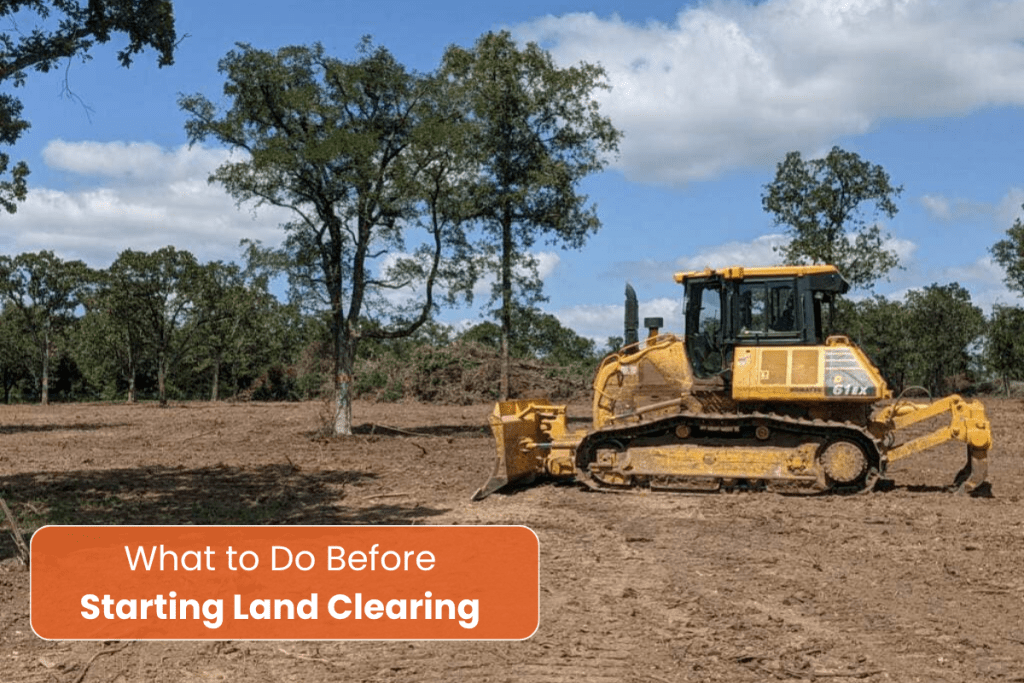
Land clearing is a crucial first step for any construction, agricultural, or property development project. Whether you are preparing land for a new home, commercial development, or landscaping upgrade, taking the right steps beforehand can save time, reduce costs, and prevent costly mistakes. In a growing area like Georgetown, Texas, where land development is rapidly increasing, understanding proper preparation is essential for success.
This comprehensive guide outlines everything you need to do before starting a land clearing project, ensuring your process is efficient, compliant, and environmentally responsible.
Why Proper Land Clearing Preparation Matters
Before diving into heavy machinery and clearing vegetation, it’s important to understand that preparation sets the foundation for your entire project. Poor planning can lead to delays, legal complications, soil issues, and unexpected expenses.
Effective land clearing preparation tips help you:
- Avoid regulatory penalties
- Protect natural resources
- Optimize project timelines
- Control overall costs
- Ensure long-term land usability
A well-prepared site leads to smoother execution and better project outcomes.
Step 1: Define Your Land Clearing Goals
Start by identifying the purpose of your land clearing project. Are you preparing for residential construction, farming, fencing, or landscaping? Your goals will determine the scope and methods used.
Key considerations include:
- The size of the land
- Desired end use
- Type of vegetation and obstacles
- Timeline and budget
Clearly defining your objectives helps streamline the land clearing process steps and ensures you choose the right approach from the beginning.
Step 2: Conduct a Detailed Land Assessment
Before any physical work begins, assess the land thoroughly. This step is critical for identifying potential challenges and planning accordingly.
What to Evaluate:
- Soil type and stability
- Terrain (flat, sloped, rocky)
- Existing vegetation (trees, shrubs, roots)
- Drainage patterns
- Presence of wetlands or protected areas
A professional land survey can provide accurate insights and prevent costly surprises during the clearing phase.
Step 3: Understand Local Regulations and Permits
Georgetown, Texas has specific zoning laws, environmental regulations, and permit requirements related to land clearing. Ignoring these can result in fines or project shutdowns.
Important Legal Considerations:
- Zoning restrictions
- Tree preservation ordinances
- Environmental protection rules
- Erosion control requirements
Always check with local authorities or municipal offices before starting. Securing the necessary permits ensures your project remains compliant and avoids unnecessary delays.
Step 4: Identify Environmental and Safety Factors
Responsible land clearing goes beyond removing vegetation—it involves protecting the surrounding ecosystem and ensuring safety.
Environmental Factors to Consider:
- Wildlife habitats
- Soil erosion risks
- Water runoff and drainage
- Air quality (dust control)
Safety Considerations:
- Underground utilities (gas, water, electric lines)
- Hazardous trees or unstable ground
- Equipment safety requirements
These factors affecting land clearing projects play a major role in determining how the work should be carried out.
Step 5: Plan the Site Preparation Strategy
Proper site preparation for land clearing ensures that the land is ready for the next phase of development. This involves more than just removing trees—it includes grading, leveling, and preparing the soil.
Key Site Preparation Tasks:
- Marking boundaries clearly
- Removing debris and obstacles
- Grading uneven surfaces
- Stabilizing soil
- Planning drainage systems
This step ensures that your land is not only cleared but also functional and ready for construction or landscaping.
Step 6: Choose the Right Land Clearing Method
Different projects require different clearing techniques. Selecting the right method depends on land size, vegetation type, and environmental considerations.
Common Land Clearing Methods:
- Forestry mulching – Eco-friendly and efficient
- Bulldozing – Suitable for large-scale clearing
- Cut and grind – Ideal for tree removal
- Burning (controlled) – Used in specific cases with permits
Each method has its pros and cons, so choosing wisely is essential for efficiency and sustainability.
Step 7: Budget Planning and Cost Estimation
Budgeting is a critical part of any land clearing project. Costs can vary widely depending on several factors.
Cost Influencers Include:
- Land size and accessibility
- Type and density of vegetation
- Equipment and labor requirements
- Permit fees
- Disposal of debris
Understanding these factors affecting land clearing projects helps you create a realistic budget and avoid unexpected expenses.
Step 8: Hire Experienced Professionals
While some property owners consider DIY clearing, professional services offer significant advantages in terms of efficiency, safety, and compliance.
In the middle of your planning process, you may explore reliable land clearing services in Georgetown, Texas to ensure the job is handled with expertise and proper equipment.
Benefits of Hiring Experts:
- Access to advanced machinery
- Faster project completion
- Compliance with local regulations
- Reduced risk of damage or injury
Experienced professionals can also provide valuable insights into the best practices for your specific property.
Step 9: Develop a Timeline and Workflow Plan
A structured timeline ensures your project stays on track. Break down the process into manageable phases.
Typical Timeline Phases:
- Planning and permits
- Site assessment
- Clearing and debris removal
- Grading and leveling
- Final inspection
Having a clear workflow helps coordinate tasks efficiently and prevents unnecessary delays.
Step 10: Prepare for Post-Clearing Activities
Land clearing is just the beginning. After clearing, additional steps are required to make the land usable.
Post-Clearing Tasks:
- Soil testing and improvement
- Seeding or erosion control measures
- Installation of utilities
- Construction or landscaping
Planning these steps in advance ensures a seamless transition from clearing to development.
Common Mistakes to Avoid
Even with careful planning, mistakes can happen. Avoid these common pitfalls:
- Skipping permits and legal checks
- Underestimating costs
- Ignoring environmental impact
- Choosing the wrong clearing method
- Failing to plan for drainage and erosion
By following proper land clearing preparation tips, you can minimize risks and ensure a successful project.
FAQs
1. How long does land clearing take in Georgetown, Texas?
The timeline depends on the size of the land, vegetation density, and method used. Small projects may take a few days, while larger ones can take several weeks.
2. Do I need a permit for land clearing?
Yes, in most cases. Local regulations often require permits, especially if trees or large areas are involved.
3. What is the most eco-friendly land clearing method?
Forestry mulching is considered one of the most environmentally friendly options as it reduces waste and improves soil quality.
4. How much does land clearing cost?
Costs vary based on land size, terrain, and vegetation. A detailed assessment is needed for accurate estimates.
5. Can I clear land myself?
While possible for small areas, professional services are recommended for larger or complex projects due to safety and regulatory requirements.
Summary
Proper planning is the key to a successful land clearing project in Georgetown, Texas. From understanding regulations and assessing the land to choosing the right methods and professionals, each step plays a vital role in achieving efficient and cost-effective results. By following structured land clearing process steps and considering all critical factors, property owners can avoid common challenges and ensure long-term success.
For those seeking reliable and professional support, Pierce Land Clearing offers expertise tailored to local conditions, helping property owners complete projects efficiently while maintaining quality and compliance.