
How Can Land Clearing Help Homeowners Prepare for New Construction in Bertram, TX?
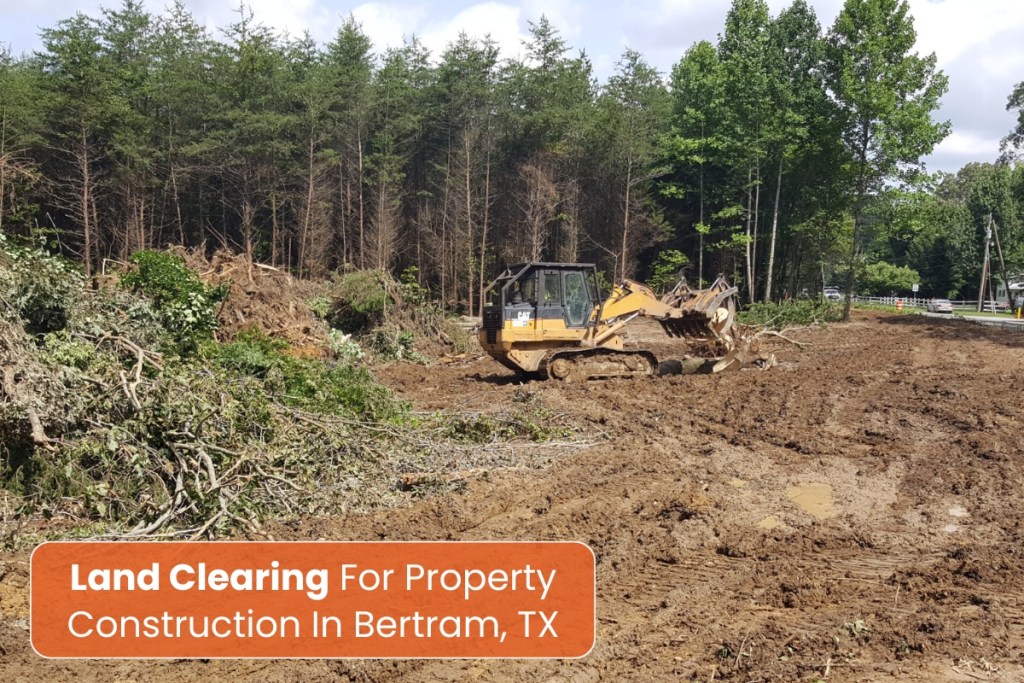
Houston is growing fast. New neighborhoods, commercial buildings, warehouses, and infrastructure projects are popping up across the city. Behind every one of these developments is a critical first step land clearing for construction.
While clearing land makes development possible, it also brings environmental consequences that are often overlooked. In a city like Houston known for its wetlands, bayous, floodplains, and unique ecosystems land clearing can significantly impact the environment if not handled responsibly.
In this blog, we’ll take a closer look at how land clearing for construction affects the environment in Houston, TX, why it matters, and what can be done to reduce long-term damage while still supporting growth.
Understanding Land Clearing for Construction
Land clearing involves removing trees, brush, stumps, vegetation, and sometimes existing structures to prepare a site for construction. In Houston, this process is common for:
- Residential housing developments
- Commercial and industrial projects
- Roadways and infrastructure
- Agricultural land conversion
Depending on the size of the project and the method used, land clearing can dramatically change the natural landscape.
Some projects require minimal clearing, while others involve large-scale removal of vegetation. The environmental impact largely depends on how the land is cleared and what protective measures are taken.
Why Houston’s Environment Is Especially Sensitive
Houston’s geography makes land clearing more complex than in many other cities. The area includes:
- Wetlands that naturally absorb floodwater
- Bayous that act as drainage systems
- Clay-heavy soil that is prone to erosion
- Flat terrain that slows water runoff
When natural vegetation is removed, these systems lose their ability to function effectively. That’s why land clearing in Houston has a direct link to flooding, water pollution, and habitat loss.
Loss of Trees and Natural Habitat
One of the most visible effects of land clearing is the removal of trees and plant life.
Trees do more than provide shade—they support wildlife, improve air quality, and stabilize soil. When large areas are cleared for construction:
- Wildlife loses shelter and food sources
- Local ecosystems are disrupted
- Native species are forced to relocate or disappear
In Houston, where urban development already places pressure on green spaces, excessive clearing can lead to long-term ecological imbalance.
Soil Erosion and Land Degradation
Vegetation plays a major role in holding soil together. Once it’s removed, soil becomes exposed to wind and rain.
In Houston’s climate, heavy rainfall can quickly wash loose soil into nearby streets, drains, and waterways. This leads to:
- Loss of nutrient-rich topsoil
- Increased sediment in bayous and streams
- Poor soil quality for future landscaping or land use
Without proper erosion control measures, cleared land can quickly become unstable and environmentally damaging.
Impact on Water Quality and Drainage
One of the biggest environmental concerns tied to land clearing in Houston is water management.
Natural vegetation absorbs rainwater and filters pollutants before they reach local waterways. When land is cleared:
- Rainwater runs off faster
- Pollutants like dirt, oil, and debris enter storm drains
- Bayous and wetlands become overloaded
This increases the risk of flooding and degrades water quality, affecting both wildlife and nearby communities.
Increased Flood Risk in Houston
Houston has experienced multiple major flooding events over the years. While rainfall is a factor, land development plays a huge role.
Cleared land that isn’t properly managed:
- Reduces natural water absorption
- Increases runoff into storm systems
- Contributes to overwhelmed drainage infrastructure
When combined with new construction and paved surfaces, poorly planned land clearing can worsen flood conditions in surrounding neighborhoods.
Air Quality and Dust Pollution
Land clearing for construction also impacts air quality.
Heavy equipment, exposed soil, and debris create dust that becomes airborne especially during dry periods. This can lead to:
- Increased particulate matter in the air
- Respiratory irritation for nearby residents
- Reduced air quality around construction zones
In a large city like Houston, where air quality is already a concern, these effects can add up quickly.
Carbon Emissions and Climate Impact
Trees and vegetation naturally absorb carbon dioxide. When they’re removed, not only is that carbon storage lost, but emissions increase due to:
- Heavy machinery operation
- Transportation of cleared debris
- Decomposition or burning of vegetation
Although one construction site may seem small, the combined effect of multiple clearing projects contributes to higher carbon emissions across the region.
Urban Sprawl and Environmental Strain
Houston’s expansion often moves outward rather than upward. This urban sprawl requires clearing more land to accommodate growth.
As development spreads:
- Natural landscapes shrink
- Wildlife corridors disappear
- Infrastructure demands increase
This pattern places ongoing pressure on the environment and makes sustainable planning more difficult over time.
Social and Community Effects
Environmental impacts don’t exist in isolation—they affect people too.
Land clearing can influence:
- Property drainage and flood risk
- Neighborhood air and water quality
- Local green spaces and tree cover
Communities located near large construction projects often experience the negative effects first, making responsible land clearing practices essential for public well-being.
Modern Trends: More Sustainable Land Clearing Practices
The construction and land clearing industries are changing. Today, there is a stronger focus on environmentally responsible methods, especially in areas like Houston.
Forestry Mulching
Forestry mulching is becoming a preferred option because it:
- Clears vegetation without uprooting soil
- Turns organic material into natural mulch
- Reduces erosion and runoff
- Improves soil health
This method is far less disruptive than traditional clearing techniques.
Selective Land Clearing
Instead of removing everything, selective clearing focuses on:
- Preserving mature trees
- Protecting wetlands and drainage paths
- Removing only what’s necessary for construction
This approach helps maintain ecological balance while still allowing development.
Erosion and Sediment Control Measures
Responsible land clearing projects now include:
- Silt fences
- Sediment barriers
- Drainage planning
- Stabilized entry points
These measures significantly reduce environmental damage during and after clearing.
Regulations and Environmental Awareness in Houston
Houston and Texas have introduced stricter guidelines to control how land clearing is handled. These regulations aim to:
- Protect floodplains and wetlands
- Reduce environmental degradation
- Ensure sustainable construction practices
Developers are increasingly required to plan ahead, assess environmental impact, and follow best practices before clearing begins.
How Developers and Property Owners Can Reduce Environmental Impact
If you’re planning construction in Houston, thoughtful land clearing makes a difference.
Best Practices Include:
- Hiring experienced, local land clearing professionals
- Using low-impact clearing methods
- Preserving natural drainage patterns
- Implementing erosion control early
- Replanting native vegetation after construction
Responsible decisions at the clearing stage lead to fewer problems down the road.
The Future of Land Clearing in Houston, TX
Houston will continue to grow—it’s inevitable. The challenge is making sure that growth doesn’t come at the expense of the environment.
By combining smarter land clearing methods, stronger regulations, and community awareness, Houston can support development while protecting its natural systems.
Land clearing doesn’t have to be destructive. When done correctly, it can balance progress with environmental responsibility.
FAQ’s
Q. What is land clearing for construction?
Land clearing is the process of removing trees, shrubs, underbrush, and other vegetation to prepare land for construction projects. It makes way for residential, commercial, or infrastructure developments.
Q. Why is land clearing necessary in Houston?
Houston is rapidly growing, and construction projects require cleared land. Clearing ensures the land is safe, level, and ready for building while meeting local regulations.
Q. How does land clearing affect the environment?
Land clearing can impact soil quality, water drainage, air quality, and local wildlife habitats. Improper clearing increases erosion, flooding risk, and pollution in nearby waterways.
Q. What are eco-friendly land clearing options?
Methods like forestry mulching or selective clearing reduce environmental impact. These techniques preserve soil, protect existing trees, and minimize disruption to local ecosystems.
Q. Can land clearing increase flood risk?
Yes. Removing vegetation reduces the land’s natural ability to absorb rainwater, which can lead to faster runoff and potential flooding. Proper planning and drainage systems help mitigate this risk.
Final Thoughts
Understanding how land clearing for construction affects the environment in Houston, TX is the first step toward more sustainable development. Every cleared lot impacts the land, water, and communities around it—but with the right approach, those impacts can be minimized.
If you’re planning a construction project in Houston, TX, choosing the right land clearing partner matters—not just for your timeline, but for the environment too.
Pierce Land Clearing provides professional, responsible land clearing services designed to protect soil stability, drainage, and surrounding ecosystems while preparing your property for construction. From selective clearing to environmentally conscious site preparation, our team understands Houston’s land, regulations, and unique challenges.
Contact Pierce Land Clearing today to discuss your project and get expert guidance on safe, efficient, and environmentally responsible land clearing in Houston, TX.