New Home Site Land Clearing: What Every Property Owner Should Know
Building a new home starts long before the foundation is poured. One of the most important — yet often overlooked — steps is preparing the land itself. Proper land clearing ensures that your property is safe, stable, and ready for construction. Whether you’re developing a lot in a suburban neighborhood or on rural acreage, understanding what goes into professional land clearing services can help you plan your project effectively and avoid unexpected challenges.
Why Land Clearing Is Essential for New Home Construction
Before any construction begins, the land must be free from obstacles such as trees, brush, rocks, and debris. This process not only creates space for building but also ensures proper drainage and prevents structural issues later on. Professional land clearing services go beyond simply removing vegetation. They include assessing the property’s slope, soil type, and drainage patterns to ensure long-term stability. Contractors often coordinate with builders and engineers to make sure the cleared land meets site requirements and local regulations.
Steps Involved in Home Site Land Clearing
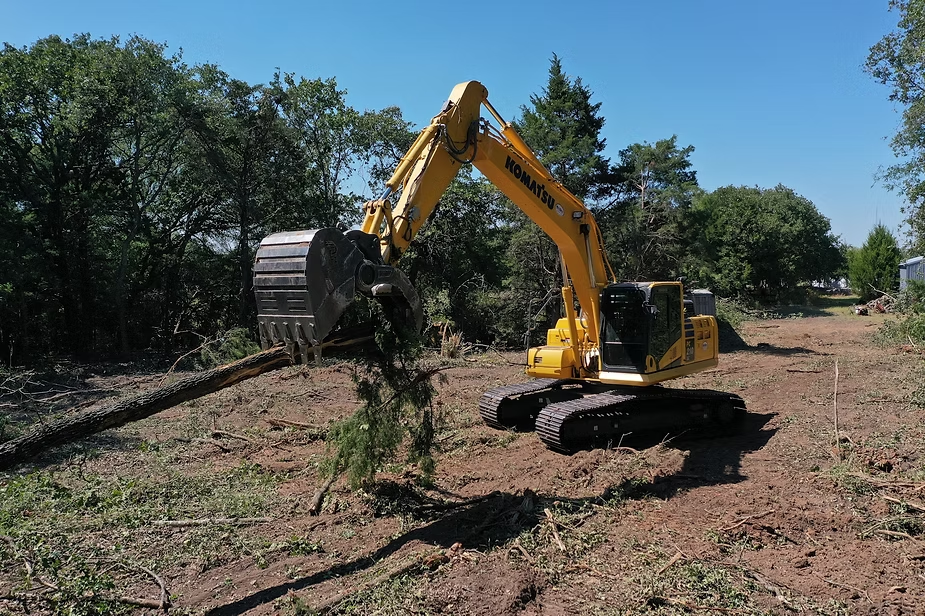
Each property is unique, but the process typically follows several key steps to ensure the land is properly prepared. The first step involves evaluating the property to identify trees to remove, grading needs, and any environmental concerns. A detailed plan helps determine which equipment and techniques will be most effective. Once planning is complete, contractors begin removing trees, stumps, and underbrush to create a clear and level surface. Depending on the project, methods like forestry mulching or mechanical clearing may be used.
After vegetation removal, grading and excavation shape the site to ensure proper elevation and drainage. This step prevents future issues such as flooding or foundation damage. Cleared materials are either hauled away or mulched on-site to improve soil health and prevent erosion. Before construction begins, the site is reviewed one final time to confirm it meets all building and environmental standards.
Understanding Land Clearing Cost per Acre
One of the first questions property owners ask is about the land clearing cost per acre. The answer depends on several factors, including vegetation density, soil and terrain conditions, and the type of clearing required. A heavily wooded area with large trees costs more to clear than open or lightly brushed land. Sloped or rocky terrain requires specialized equipment and additional labor, which can increase the total price.
The cost is also affected by the method of debris disposal. Some projects include hauling away debris, while others use on-site mulching or burning. Accessibility can also influence the final cost—remote or hard-to-reach sites often require extra time and effort for equipment transport and setup. On average, the land clearing cost per acre in Texas and nearby areas can vary widely based on these conditions. Property owners should always request detailed estimates from multiple contractors to better understand pricing and scope.
Choosing the Right Land Clearing Services
Selecting an experienced team is just as important as understanding the process itself. A professional company ensures the work is completed efficiently, safely, and in compliance with local codes. When researching land clearing services, look for contractors who have direct experience with residential projects and understand the specific requirements for home site preparation. Proper licensing and insurance are also essential to protect both property owners and workers on-site.
Modern equipment plays a major role in efficiency and environmental care. Contractors who invest in up-to-date machinery can complete projects faster with less soil disruption. Transparent estimates are another sign of professionalism, as reputable companies clearly explain costs, expected timelines, and any additional fees that might arise. In addition, responsible contractors often emphasize sustainable practices such as forestry mulching, which reduces waste and improves soil quality.
Environmental Considerations
Responsible land clearing doesn’t mean removing every tree or plant from a site. Selective clearing can help preserve mature trees, protect wildlife habitats, and reduce soil erosion. Discussing these goals with your contractor allows you to balance development needs with long-term environmental health. Many modern land clearing services now integrate erosion control, replanting strategies, and debris recycling into their workflow to minimize environmental impact.
Final Thoughts
Land clearing is a crucial step in turning raw property into a future home site. By understanding what’s involved from planning and grading to the land clearing cost per acre property owners can make informed decisions and avoid costly delays. Investing in professional land clearing services ensures your land is prepared safely and efficiently, setting the foundation for a strong, stable, and successful home build.